
Wild Isles: Our Coast
The Collection
DISCOVER.
LEARN.
INSPIRE.
Our oceans cover over 70% of our planet. Providing more than half the oxygen we breathe and absorbing nearly a third of our carbon emissions. However, the fate of our oceans and their delicate ecosystems are at a tipping point. They are in crisis; the human race is polluting our waters and destroying its habitats. Each year between 8 and 13 million tonnes of plastic enter our oceans, reducing our oceans ability to help fight the climate crisis. A third of our seas are 'protected', but in reality less than 1% of our seas are well managed.
Each day, important species and habitats are being destroyed. It's not too late; together we can turn the tide and restore the health of our oceans.
Oceans connect us all. They cover two-thirds of our planet and contain most life on earth. They are equally as important to us as they are vast. However they are in crisis.
-

PUFFINS: LIFE ON THE ATLANTIC EDGE
Currently listed as vulnerable on the IUCN red list, the Atlantic puffin faces an uncertain future. Several factors contribute including unsustainable fishing, marine pollution, and invasive ground predators, but the main threat arises from the change in distribution and numbers of their primary food source, sandeels,
-

GANNETS: NORTHERN TEMPEST
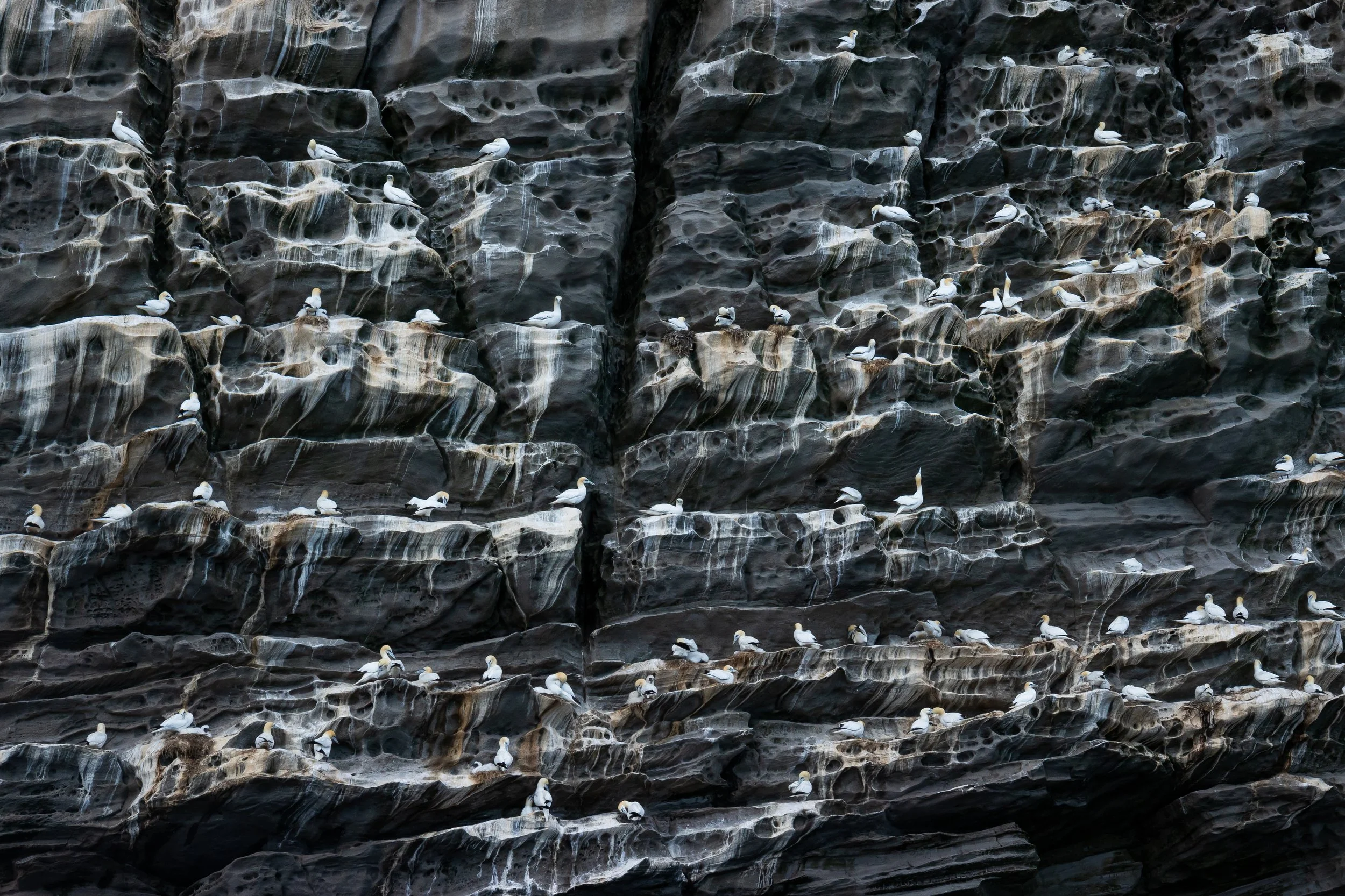
Shetland, a land of wind and wild seas, is a place of rugged beauty and extremes. Its towering cliffs and exposed coastlines provide nesting sites for gannets, while human presence — lighthouses, harbours, and fishing outposts — etches itself into the landscape, creating a contrast between the soaring lives of the birds and the labour of the isles.
-

KITTIWAKES: TIDES OF INDUSTRY
The Arctic, is a place of stark extremes. Its rugged coastline provides nesting sites for kittiwakes, human industry: harbours, quays, and working outposts carve their presence into the frozen landscape, creating a striking contrast between the wild lives of the birds and the labour of the north.
-
SPIRIT OF THE SOUTH ATLANTIC
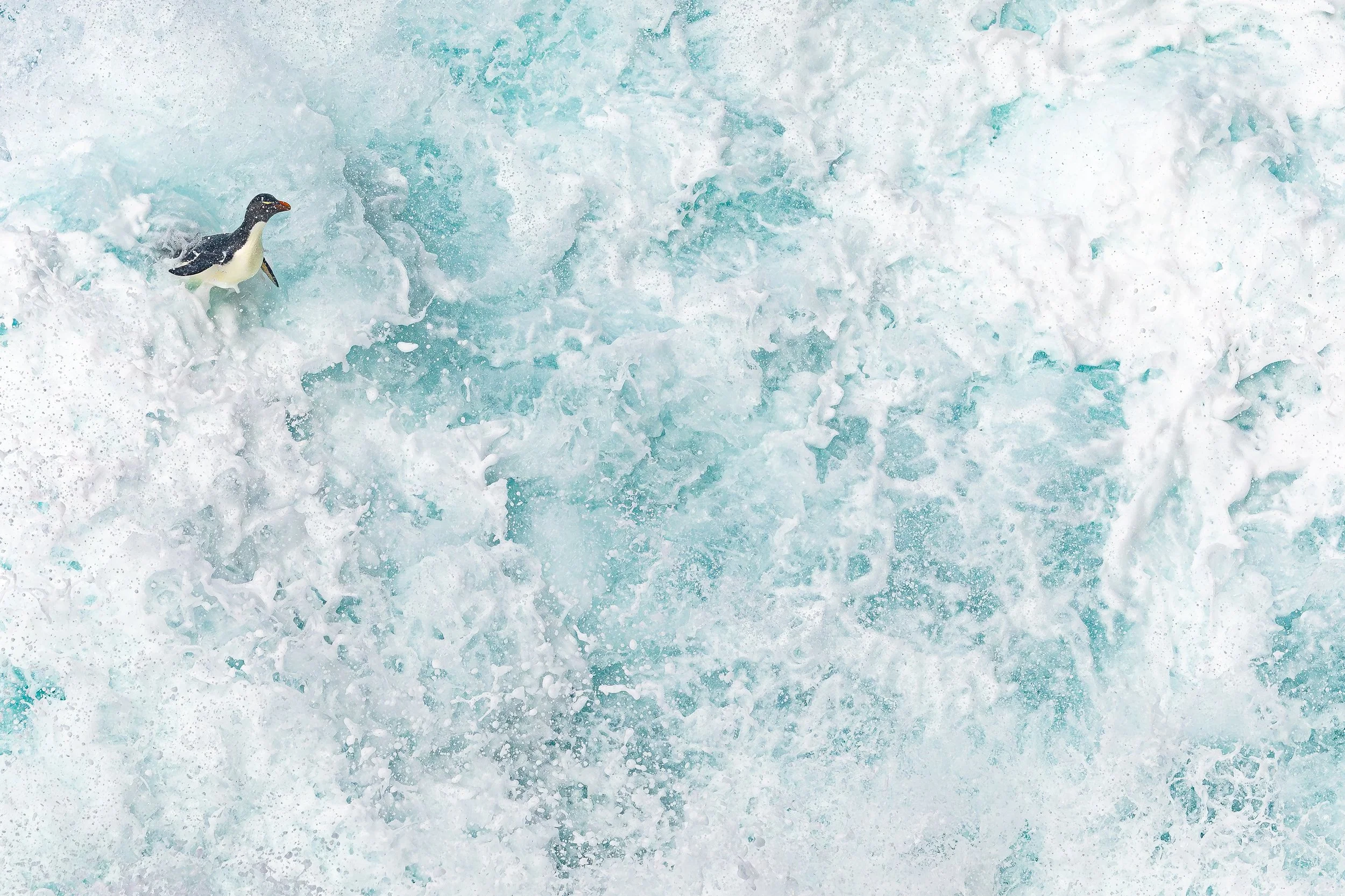
The unspoiled environment of the Falklands coastline ranges from rugged coastal cliffs to miles of untouched white sandy beaches with endless horizons and vast open spaces, all connected by rocky headlands and underwater kelp forests. Surrounded by the Atlantic Ocean, these islands are a mecca for nature
Seabirds In Decline
Seabirds are the sentinels of the sea, yet their numbers are slipping fast. Rising ocean temperatures, overfishing, and polluted waters make finding food an ever harder task, while invasive predators and human disturbance threaten nests and chicks. Each failed breeding season echoes through the colonies, leaving once-bustling cliffs eerily quiet. The struggle of these birds — from exhausted parents leaving hungry chicks to the long journeys in search of dwindling prey — tells a story of oceans in crisis. Protecting seabirds is more than saving a single species; it is a measure of how we care for the fragile balance of life at the edge of the sea.
Through my photography, I aim to bring the lives of seabirds into the homes of many, sharing moments of their beauty, resilience, and vulnerability. Puffins perched on windswept cliffs, terns tending chicks, and gannets diving into the Atlantic all tell a story of survival against the odds. By capturing and sharing these scenes, I aim to inspire wonder, foster understanding, and highlight the urgent need to protect the oceans and the creatures that depend on them.
Our Blue Heart Needs Protecting


