Native Ponies | Britain’s Living Heritage

UK Photography Workshop Programme

DISCOVER.

LEARN.

INSPIRE.

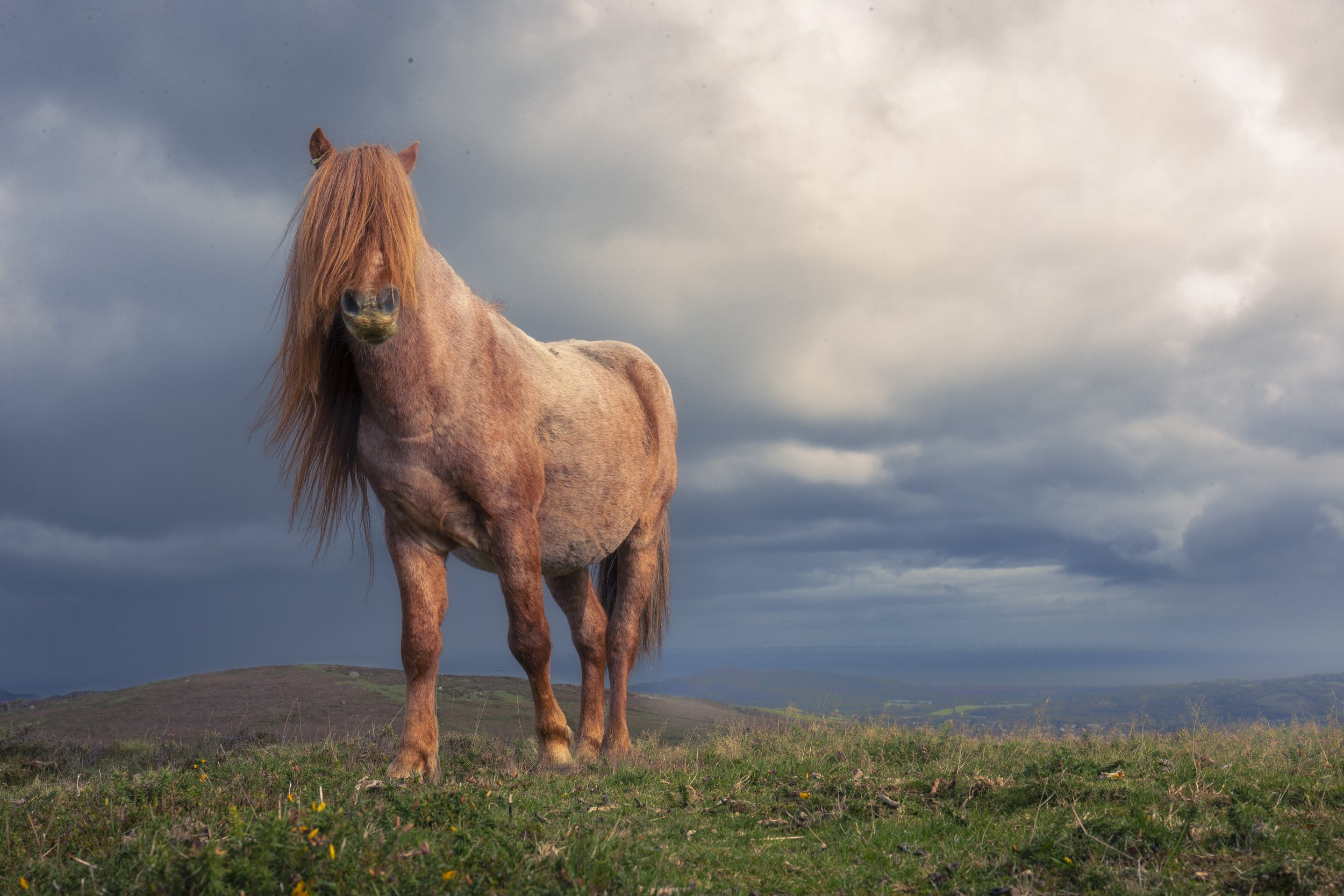
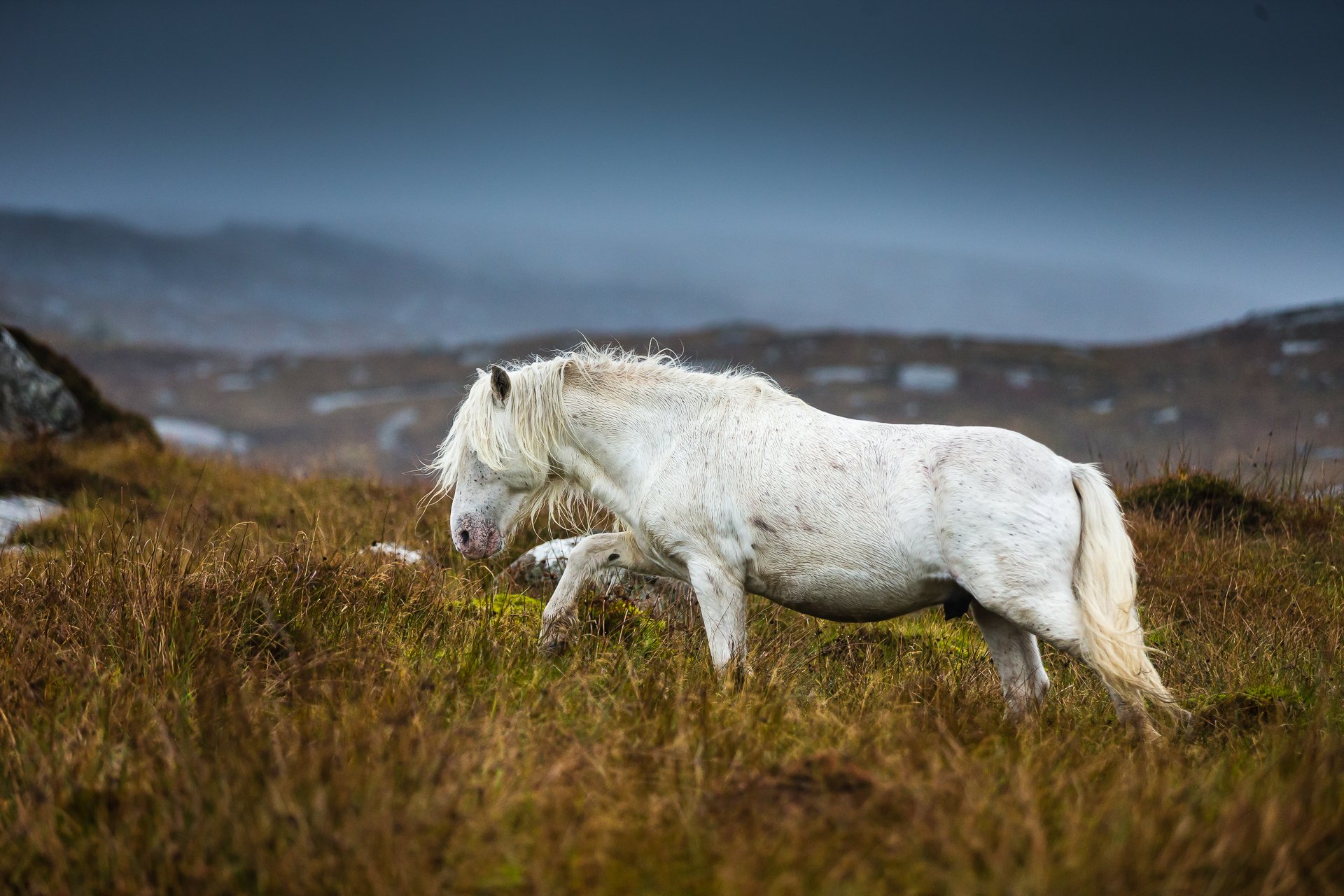
Photograph hardy, free-roaming ponies within the environments that formed them, while gaining a deeper understanding of their history, heritage and ongoing role in land management across the British Isles. These experiences combine fieldcraft, creativity and technical guidance, helping you create authentic, landscape-led images that honour both subject and place.

Browse below and secure your place on one of Kevin’s upcoming Native Pony Photography Workshops.

Join award-winning wildlife photographer Kevin Morgans for an immersive journey into the world of Britain’s native ponies. From sweeping mountain plateaus to open moorland and coastal commons, these workshops explore the breeds that have shaped our landscapes for centuries.

  • MOUNTAIN SPIRIT: CARNEDDAU PONIES

    CONWY - NORTH WALES

    Saturday 18th April 2026 - PLACES AVAILABLE

    Friday 15th May 2026 - PLACES AVAILABLE

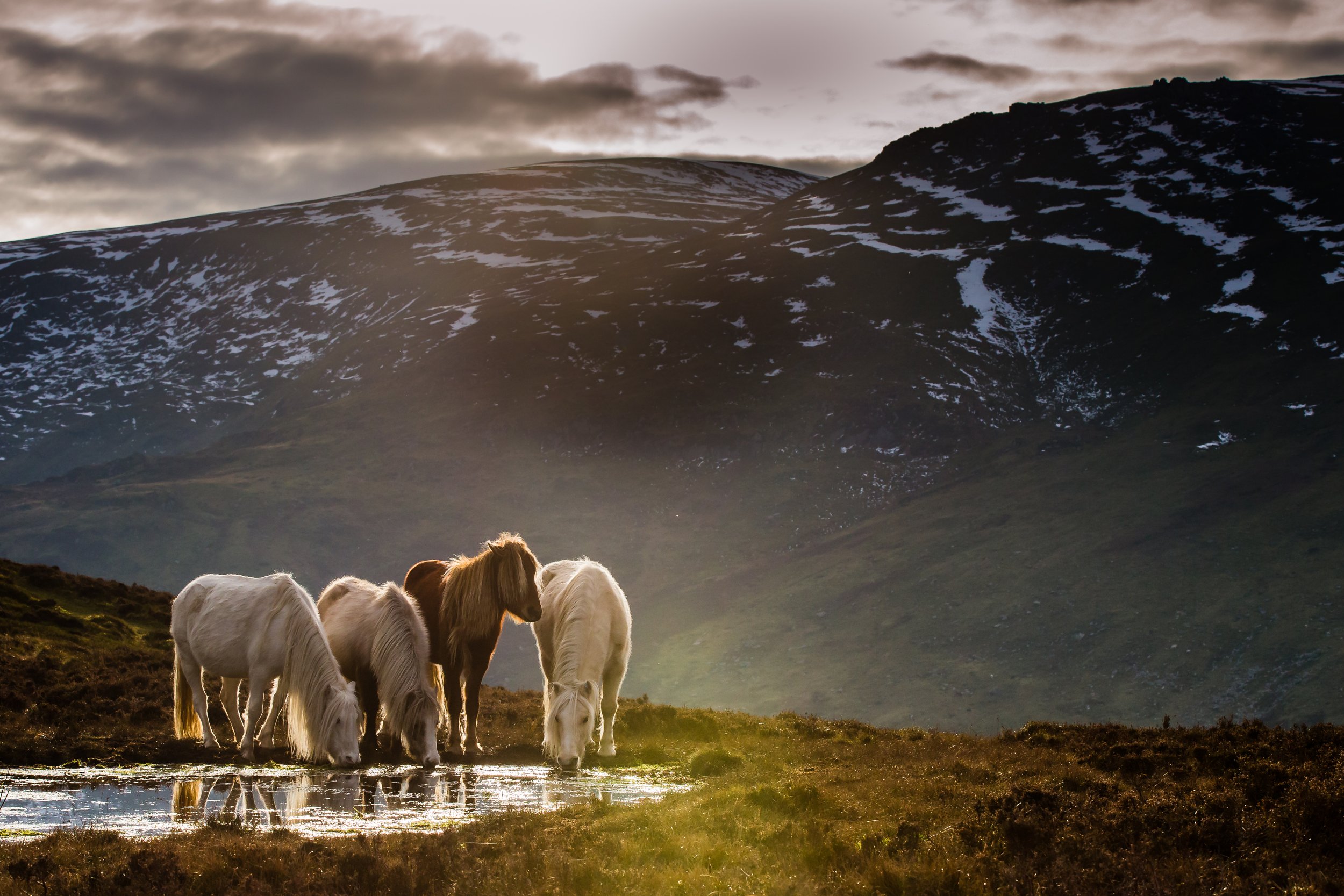
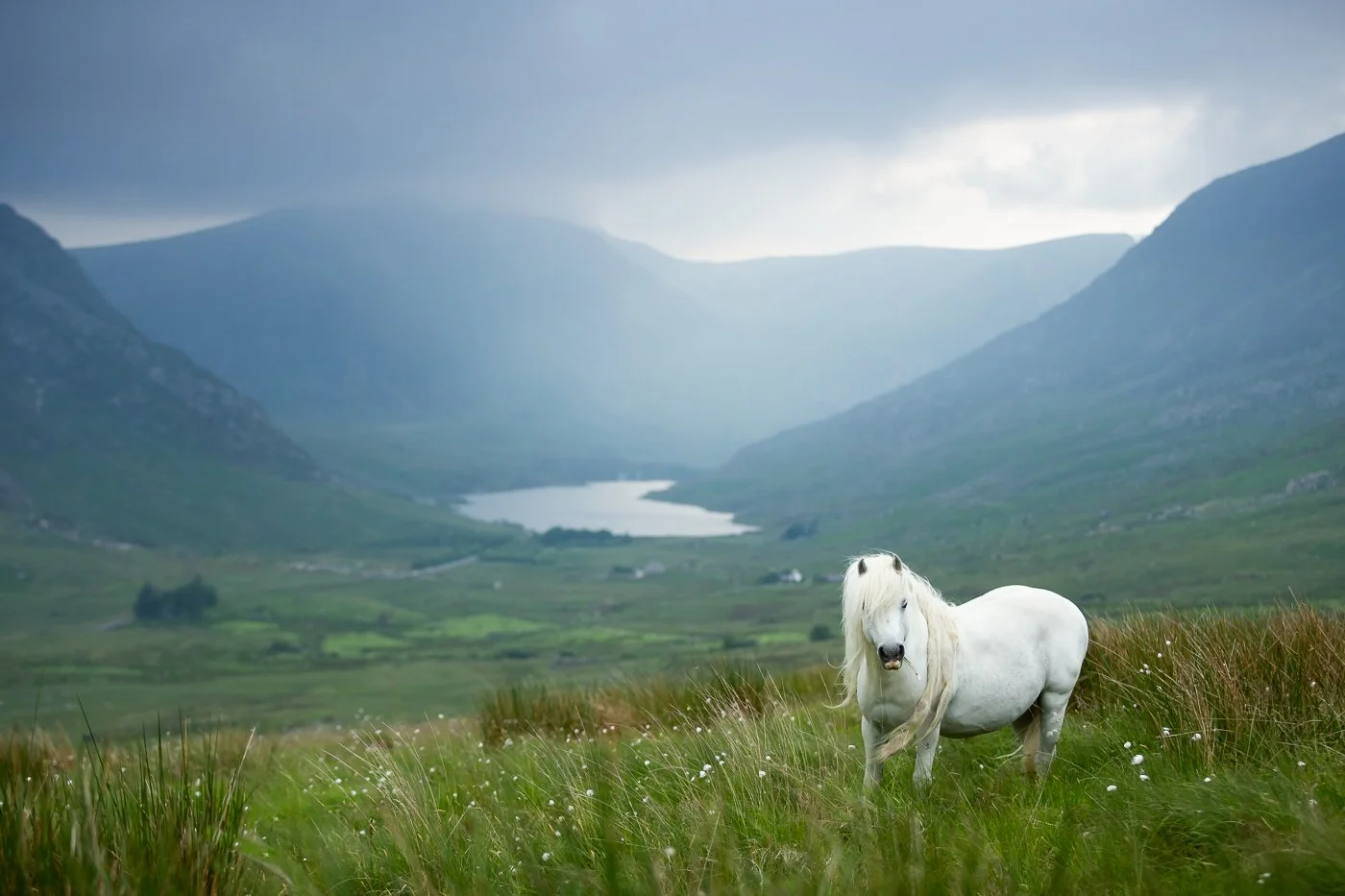
    Join award-winning wildlife photographer Kevin Morgans, for a photography workshop in the heart of Snowdonia. Journey into the rugged Carneddau mountains to photograph the iconic wild ponies in their natural habitat—a landscape of misty peaks, ancient paths, and untamed beauty

  • SPIRIT OF THE CARNEDDAU: WEEKEND

    NORTH WALES

    Saturday 2nd - Sunday 3rd May 2026

    Saturday 19th - Sunday 20th September 2026

    Spend a weekend immersed in the rugged beauty of North Wales, photographing one of Britain’s last truly wild native pony herds. The Carneddau ponies roam freely across the mountain landscape, shaped by weather, terrain and time — and that wildness is what makes them so compelling to photograph.

Wild Heritage

Here, heritage meets wild ground. Among Britain’s native pony breeds, we step into landscapes shaped by wind, weather, and time — from the high Carneddau to the open moor. Our photography workshops are built on patience, respect, and connection, creating space to observe, understand, and tell honest stories. Rooted in tradition and driven by purpose, this is where conservation and creativity stand side by side. Let’s document something that truly matters.

  • The UK’s native pony breeds are among the most enduring symbols of our countryside. Shaped by centuries of natural selection, harsh climates and marginal terrain, they are hardy, intelligent and deeply connected to the landscapes they inhabit.

    From the windswept moors of Wales to the uplands of Scotland and the heathlands of the south-west, each breed has evolved in response to its environment. Their size, bone structure, coats and temperaments reflect generations of adaptation — not selective breeding for fashion, but survival.

    Breeds such as the Exmoor, Dartmoor, Fell, Highland, New Forest and the semi-feral Carneddau ponies are more than heritage icons. They remain working animals and conservation grazers, playing an active role in maintaining biodiversity-rich habitats across Britain.

    Today, many native breeds are listed as vulnerable or at risk. Their future depends not only on careful breeding programmes, but on public understanding of their ecological and cultural value.

    They are not relics of the past.
    They are living, working custodians of Britain’s wild places.

  • Long before modern conservation schemes, the UK’s native ponies were shaping the land.

    For centuries, these animals have grazed moorlands, heathlands and upland commons, influencing the very character of the British landscape. Their selective grazing patterns control dominant vegetation, create varied sward structures, and open space for wildflowers, insects and ground-nesting birds. What we often describe as “natural” landscape is, in many places, the result of generations of native grazing.

    They are not just part of the scenery — they have helped create it.

    Native ponies are uniquely adapted to Britain’s harsher environments. Hardy, sure-footed and able to thrive on sparse forage, they can manage terrain and vegetation types that other livestock struggle with. This makes them invaluable in maintaining biodiversity-rich habitats that would otherwise scrub over or lose ecological diversity.

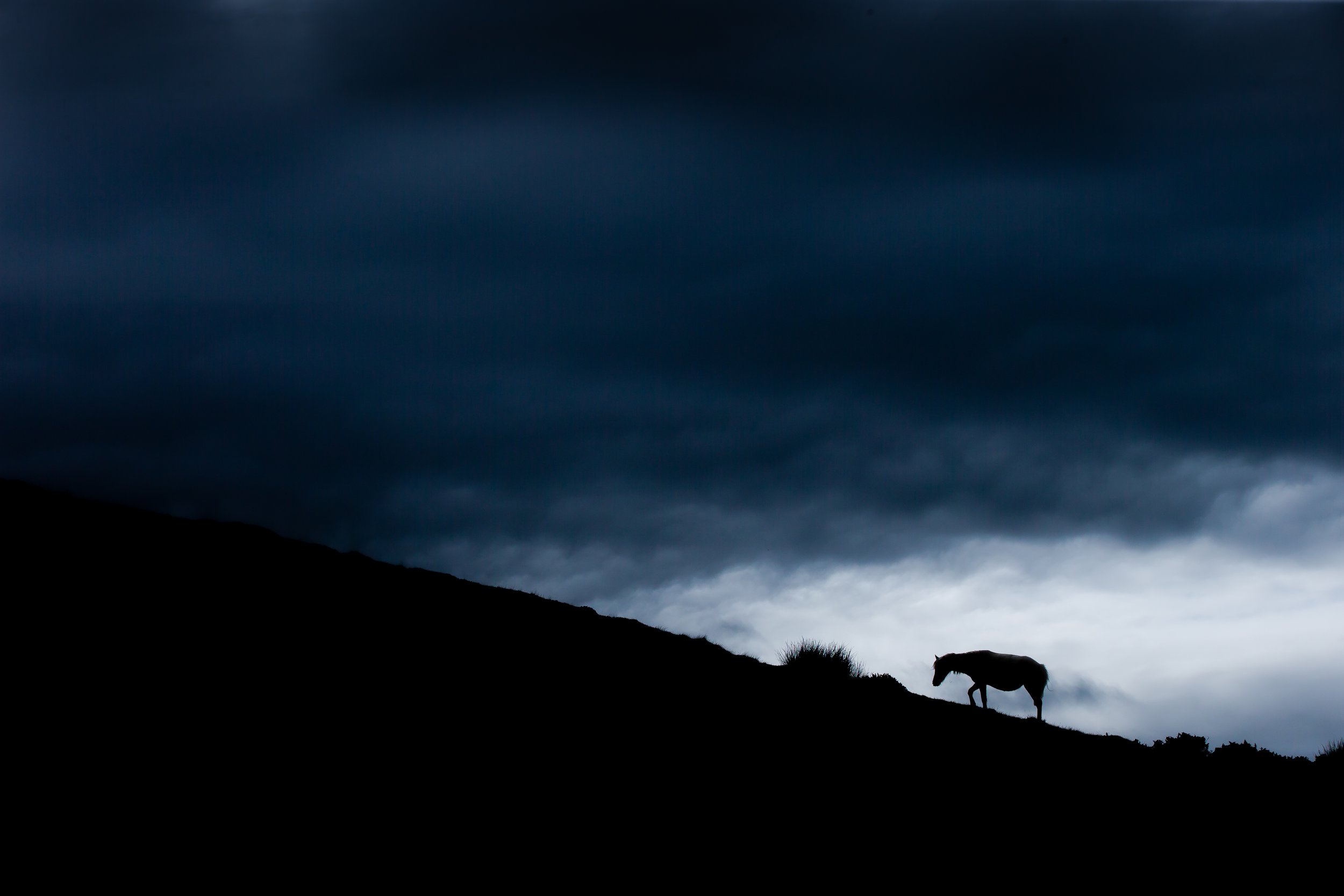
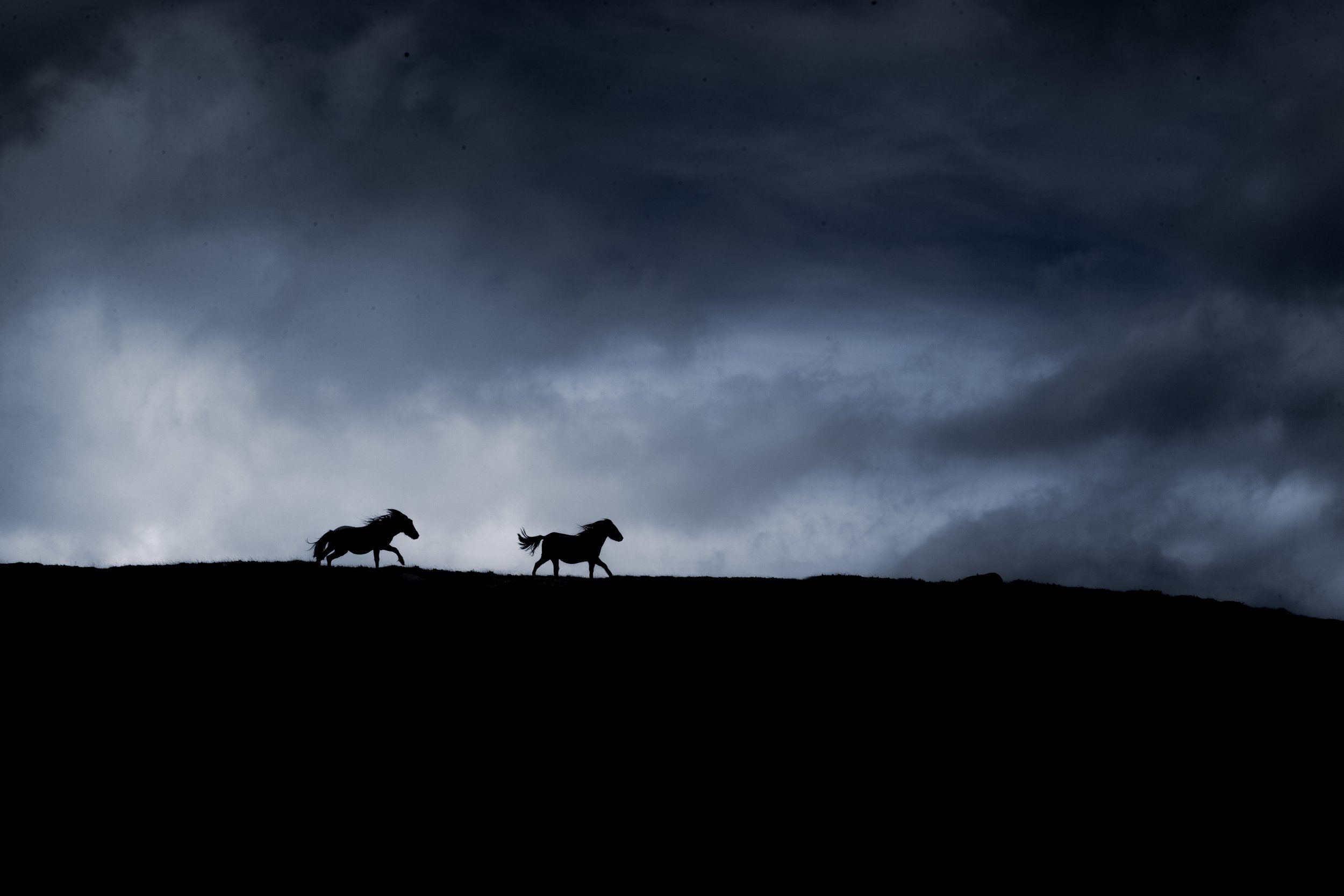
    Beyond ecology, they have shaped our cultural landscape too. Hill farming systems, common grazing rights and rural traditions have developed alongside them. The look and feel of our uplands — open horizons, sweeping moor, grazing silhouettes against the skyline — carries their imprint.

    To understand Britain’s landscapes is to understand the role of its native ponies.

    They are not a decorative addition to the land. They are one of its architects.

  • The UK’s native pony breeds are more than heritage symbols — they are active custodians of our landscapes. From moorland to coastal heath, they shape ecosystems, support biodiversity, and preserve traditional grazing systems. Yet many breeds remain vulnerable.

    Photography helps change that.

    Strong, intentional imagery shifts perception. It moves native ponies from the background of the countryside into focus — as subjects of ecological and cultural importance. When people see them clearly, they value them differently. And when they value them, they’re more likely to protect them.

    Images build connection, and connection drives conservation.

    By documenting native ponies honestly in their natural environments, we create awareness of their role in land management and biodiversity. At the same time, we preserve a visual record of Britain’s living heritage — bloodlines shaped by centuries of adaptation to harsh and unforgiving terrain.

    Conservation photography must also be responsible. It prioritises welfare, minimises disturbance, and respects the landscape. In that way, the process itself reflects the principles it aims to support.

    For me, photographing native ponies isn’t about romanticising the wild. It’s about advocacy. Every frame is an opportunity to elevate their story and reinforce their place in Britain’s ecological future.

  • “In November 2024 I went to the Falklands Kevin Morgans. It was an amazing trip and far exceeded my expectations. Kev was an excellent guide and was very considerate of every member of the group. We had different levels of fitness but Kev was careful to make sure everyone was safe and happy. He helped with advice and suggestions for photography and shared his knowledge and experience. I’d do the trip again with him in a heartbeat!”

    Claire - Falklands Life On The Edge

  • “A gem of a photography adventure from start to finish - For any bird photographer, this trip is hard to beat as our week delivered more than imagined - exceptional experience!”

    Arctic Seaducks & Puffins

  • “Recently I visited the Falkland Islands to photograph the wildlife with Kev Morgans. This was my second trip with Kev and with Wildlife Worldwide. I had an absolutely fabulous time photographing Penguins, Seabirds, Seals and Orcas on the 5 Islands we visited. Kev is an excellent guide who really knows the wildlife and the best locations to find and photograph the wildlife of the Falkland Islands. He always does his best to ensure every member of the group gets the most out of the trip when sharing his knowledge and time. If you want to stay out until last light photographing Imperial Cormorants or Cara Cara Kev will be out there with you.”

    Kev - Falklands Life On The Edge

  • "From beautiful Arctic Sea Ducks to feisty fighting Puffins in the snow. This is a fabulous trip to photograph an array of birdlife in a totally unique perspective, the ducks at eye level on the sea and seabirds on the stunning cliffs of Hornoya in the snow. Experienced knowledgeable guides and fantastic accommodation and food!! Wonderful trip not to be missed!!"

    Arctic Seaducks & Puffins

  • "Kevin’s record as a photographer speaks for itself but as a tour leader, it is important that he ensures that the participants gain the maximum benefit from his knowledge and experience. I found him very approachable and always offering the opportunities to give advice and share his photos to demonstrate the opportunity to improve my techniques.  The terrain and the constant changing weather were often a physical challenge but Kevin ensured that everyone was able to participate in the group and on occasions, he gave me physical support as we negotiated cliff paths.  The wildlife and the landscapes were incredible and the photographic opportunities limitless. However, when participating in a tour, it is the group and specifically the tour leader that can make or break the experience. We were fortunate to have Kevin as our leader not only because of his photographic experience and skills, but because of his caring and supportive nature.”

    Tony - Falklands Life On The Edge

  • "I was very fortunate to be part of the small group of photographers who visited the Falklands in November 2024 on a trip organised by Wildlife Worldwide and led by Kevin Morgans.  The trip was absolutely fantastic and fully met my expectations.  This was in no small way due to Kevin’s excellent leadership of the group.  He managed all the tricky travel logistics to get us there and back and dealt with a 24 hour flight delay in a very professional manner.  Kevin ensured that we had excellent sightings of all the wildlife and in particular went out of his way to put us in the best possible places to give us some great photos and ensure that we came home with full memory cards.  He was always there to give photographic advice and I know my photography has improved as a result of his guidance.  I really enjoyed Kevin’s company and hope to be able to go on another trip with him in the future"

    John - Falklands Life On The Edge

  • “Absolutely excellent wildlife photography tour to North Finland and Norway. We had a full itinerary photographing many species. The sessions in the floating hides with three species of sea ducks were great and the days on Hornøya unforgettable. The guides were lovely and very helpful and between them had superb knowledge on birds and photography. The group we travelled with were amazing and a lot of laughs were had. This ranks as one of the best wildlife photography tours I've been on”

    Arctic Seaducks & Puffins

  • "Visiting 4 islands after Santiago & Stanley. Pebble, Saunders, Sean Lion, and Bleaker. Each delivering their own unique experience. To be so close to nature in their natural environment with time not only to take amazing photos but also to sit and observe their habitats and behaviour. You will leave with a great array of images. Penguins, sea lions, imperial shags, caracaras, albatross, and so much more. EPIC sums it up with atmospheric weather too. You won’t be disappointed"

    Linda - Falklands Life On The Edge